


Courtnie McMillan: A few years ago, your school-aged daughter needed help and, despite your best efforts, didn’t get it. What was that like and how might it have had a different outcome?
Tiffany Caldwell: There are few to no high-quality programs available to help children with disabilities from low-income families, so my daughter’s options were very thin from the start.
When the Covid-19 pandemic closed her school in Queens, my daughter was 13 years old. She lost her daily routine and things became harder for her. She was always a very sweet kid. But without school supports, as an autistic child she grew more and more easily irritable.
I was watching her struggle with every passing day, and felt that a residential school was the only option left because she could not get the quality educational support she needed while at home with me. She has been in a residential school since 2022. Now 19, she is still there and will be until she ‘ages out’ at 22.
This is a deep injustice, not only to our family, but to so many families separated because necessary social supports aren’t in their communities. I'm missing out on important moments in her life, and she's missing out on the immediate love, support, and connection from her mom.
Families shouldn't have to separate to get services they need. A just world for Black children with disabilities and their families would mean quality education, healthcare, housing, and social services located in their communities, accessible and allocated equitably. At the moment, however, every path just leads to separation.
McMillan: Through personal experience and advocacy, you've seen how family separation can affect multiple generations. What do you want people to understand about that reality?
Caldwell: I’ve experienced family separation as a child separated from my mother, as the daughter of a woman separated from her own mother, and now as a mother separated from her daughter.
I want people to understand that family separation is a generational issue. It's urgent that we shift the way we approach families. What happens to one generation can carry into the next. Families are met with threats and punishment when all they really need is support.
When my daughter was struggling, I was just looking for help. I took her to the hospital because I didn't know where else to turn. There were no beds available, and each time her behavior escalated, the hospital would sedate her and send her home. This cycle kept repeating itself. At one point, hospital staff even told me they would call CPS [Child Protective Services] if I didn't pick up my daughter first thing in the morning. I needed someone to help us, but that wasn't what was being offered.
That's what families are up against.
McMillan: What has it taken to maintain your relationship with your daughter while she is in a residential facility, and what do you wish people understood about what families go through after separation?
Caldwell: I made the decision to relocate upstate [the capital area] so I could be closer to her. We left behind our entire network of family, friends, and community. This move created another layer of separation for us, because we’re no longer connected to the people and community that had always been part of our lives.
The residential facility is about an hour drive from where I was able to find housing, so I only see her on weekends and holidays. Maintaining our relationship takes a lot of intention now. When families aren’t separated, trust, understanding, and connection are created through everyday life with each other – sharing meals, spending time together, being around one another, and sharing a home. When families are separated, those bonds don’t disappear completely, but it’s harder to nurture relationships. I’ve had to work so hard to create opportunities for connection because we’re in this constant pattern of relearning each other.
I wish people understood that separation strains families and changes the way people relate to one another – maybe even forever. Those experiences have led me to feel strongly about families having access to the support they need to avoid separation.
McMillan: I agree. My own family’s story involves separation through the family policing system. My younger sister entered foster care as a newborn and was reunited with my family several years later. Even though that separation happened more than 26 years ago, we’re still living with its effects and the ways it changed our family.
When you asked for help you encountered dead ends, threats, or systems that ultimately separated your family. We talk about agencies like ACS [the New York City Administration for Children’s Services] as if they’re social service agencies, but that’s not how families, including mine, experience them. ACS/CPS investigates and monitors families, so of course there’s a lack of trust in our communities. We’ve been asking for a system designed to investigate families to also serve as a source of support for them, and those goals can’t coexist.
How does this shape the way you think about Narrowing the Front Door's proposal for an Office of Family Well-Being, as a place families can get support without the risk of separation?
Caldwell: It’s why I see so much value in that idea. I think about my mother, my siblings, my daughter, and myself. All of our lives were touched by family separation, and I can't help but wonder what might have been different if something like this had existed for our family now and generations ago.
Those experiences are also part of why I care so deeply about this work today. I see so many gaps in the resources available to families because I’m involved in community efforts. I also see parents unwilling to be honest about their needs because the system is structured to punish. The Office of Family Well-Being could change all of this. It would support already-present community-based approaches, especially for Black families because we’re often targeted.
Black families have cultural assets and a long history of creating solutions that have proven successful. There needs to be support for that and the community-based organizations built around it.
McMillan: You've been part of the family advocacy movement for 15 years. What changes have you seen during that time, and what keeps you hopeful?
Caldwell: There's a growing acknowledgment that the family policing system doesn't work. There’s more and more attention on the devastating outcomes for the children and families involved.
I'm seeing parents become a bigger part of conversations about policy and systems change than when I first became involved in advocacy. Back then, parents with lived experience were often dismissed or excluded from conversations about policy. People are also beginning to question whether state intervention should be the go-to response when families are struggling and whether communities themselves are better positioned to support families.
All of this keeps me hopeful.
McMillan: As a Visiting Fellow at the Center for New York City Affairs, what issues and solutions will you be focusing on, and what do you hope your work contributes to?
Caldwell: My work will focus on helping the public and policymakers better understand gaps in family services and supports, especially for families raising children with disabilities, through public forums, focus groups, and writing.
I'll also be highlighting cultural assets that already exist within Black communities. Black families have long histories of supporting one another and creating solutions in the face of hostility from systems. Those strengths deserve more recognition, and can teach us a lot about what meaningful support looks like. I hope my work helps people better understand both the challenges families face and the solutions that already exist within communities.
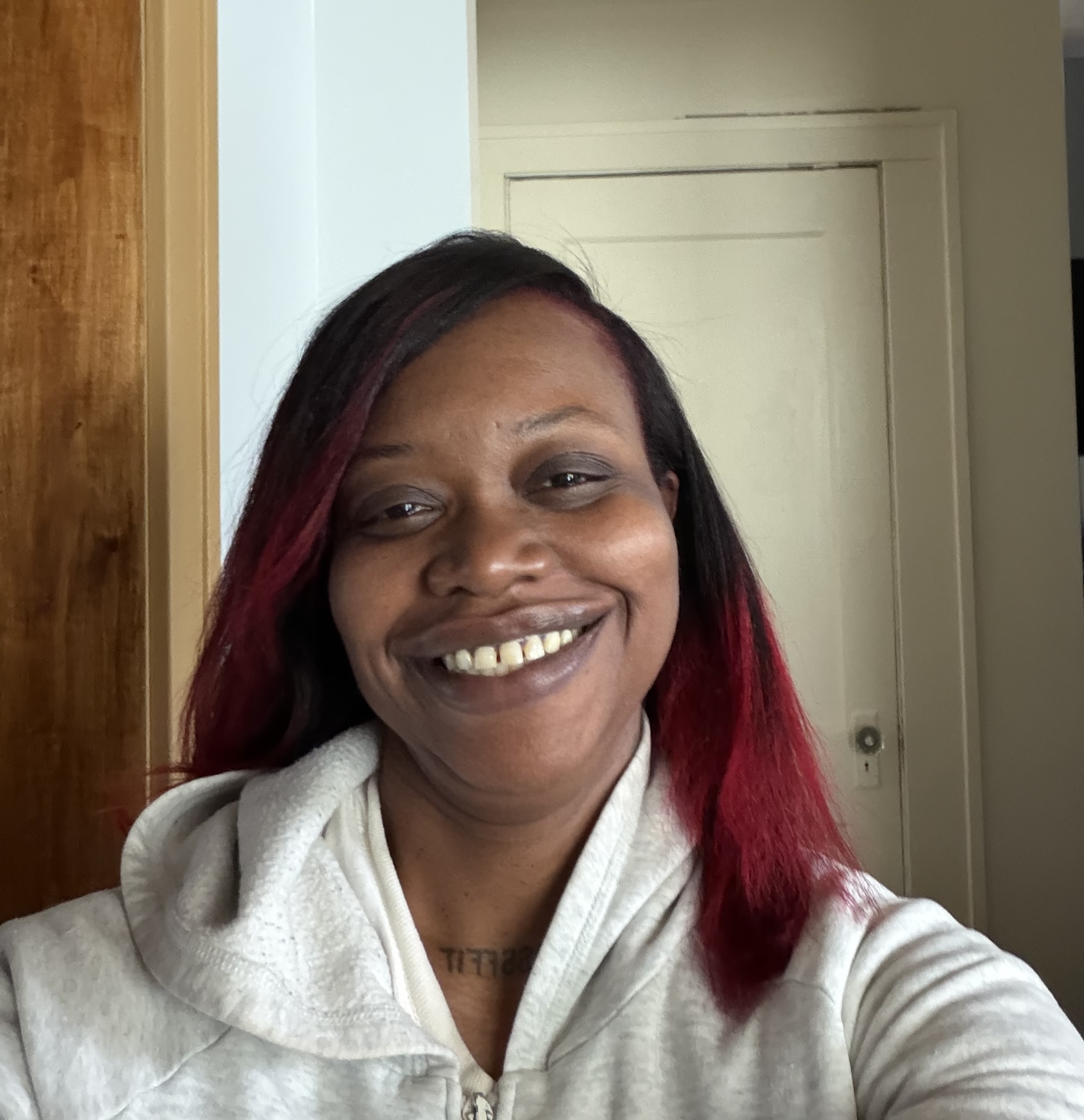
Tiffany Caldwell and Courtnie McMillan are colleagues at the Center for New York City Affairs at The New School. Long involved in disability advocacy, Caldwell is a Visiting Fellow at CNYCA. McMillan is communications and engagement manager for the Narrowing the Front Door project, which CNYCA is part of and which is focused on shrinking New York City’s child welfare, or family policing, system.
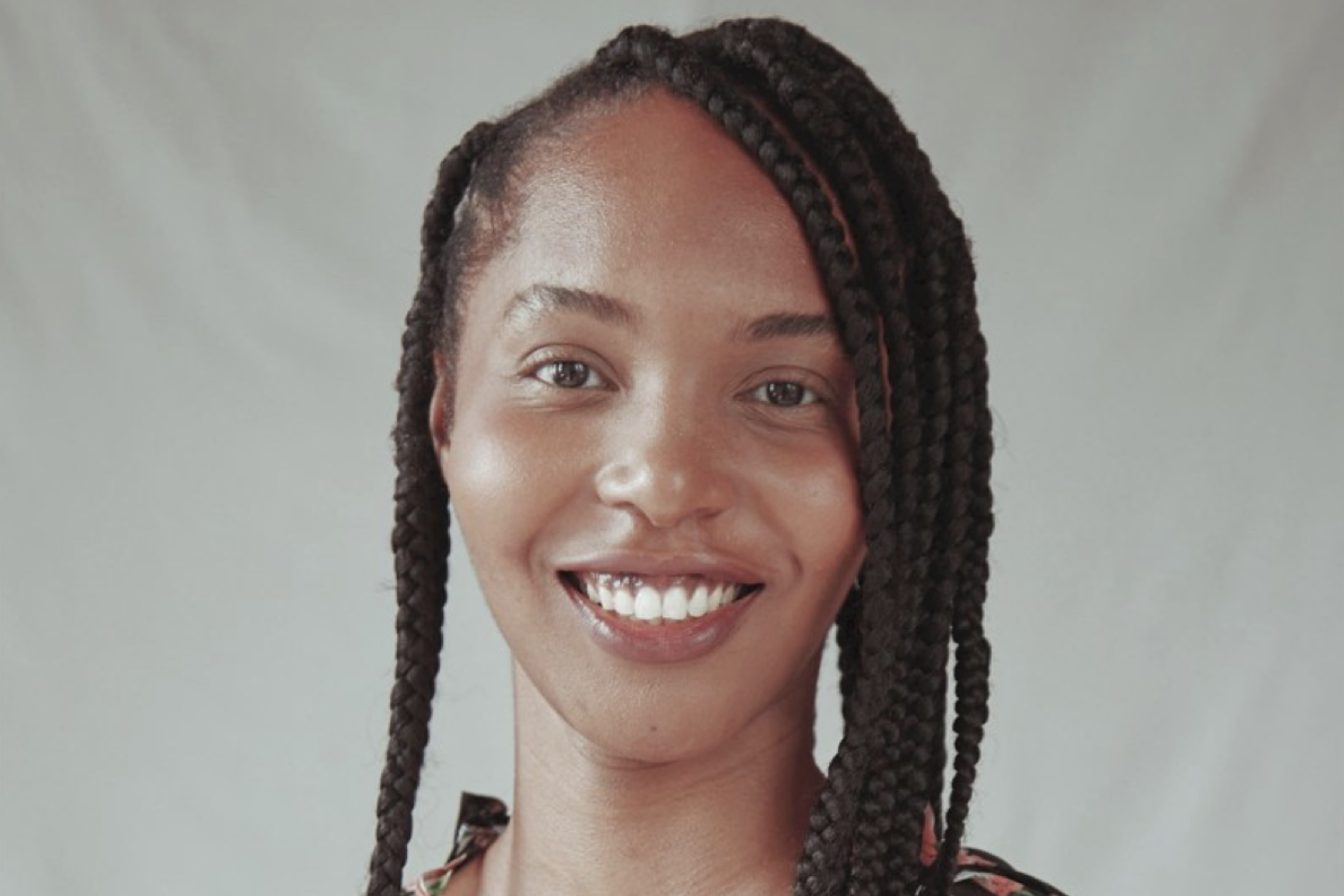
Photo: Courtesy of Tiffany Caldwell.
There's no previous post
Back to PublicationsThere's no next post
Back to Publications