


Local Law 199 of 2019 requires New York City to transition from a notoriously inefficient and dangerous private sanitation system to a zoned system in which a maximum of three designated waste haulers operate in each zone. However, as delays to the full implementation of the law continue, the private sanitation industry is reporting serious crashes at rates comparable to the years preceding passage of the law.
Between 2022 and 2024,17 private garbage companies expected to participate in New York’s nascent Commercial Waste Zones (CWZ) system were involved in at least 61 serious crashes, resulting in 103 injuries and three fatalities.
The recent death of DSNY employee Richard Errico is a tragic reminder of how dangerous the sanitation sector is for both public and private sector workers. The US Bureau of Labor Statistics continues to report that waste collection is one of the deadliest occupations in the country, with a fatality rate three times higher than that of police officers or firefighters.
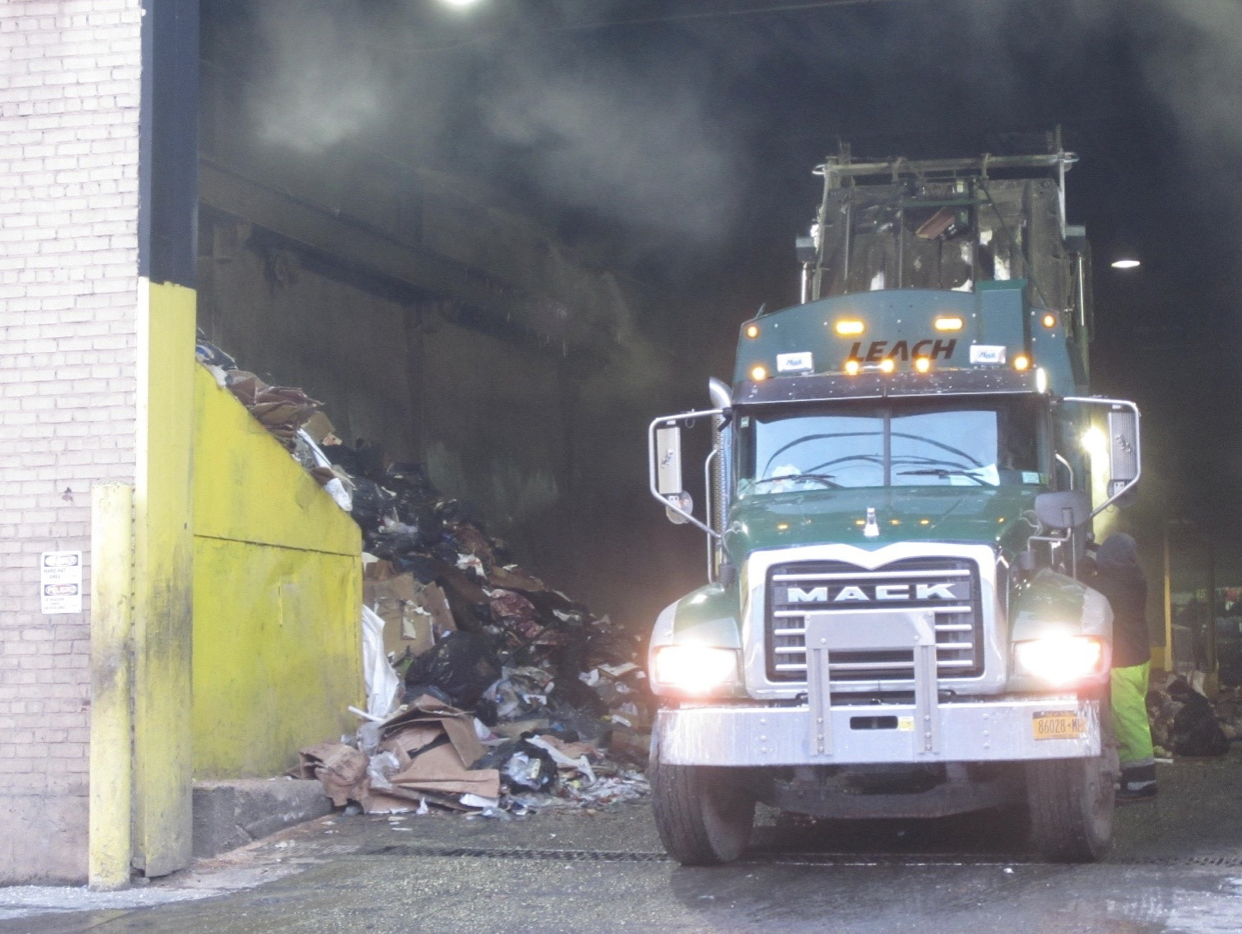
Despite years of public scrutiny, the private sanitation industry has not improved on its own, and the rate of serious crashes per truck remain consistently and troublingly high. 2024 has seen gruesome and fatal crashes involving licensed waste haulers that have been awarded zones under the City’s new system, including a Queens-based truck killing a pedestrian while illegally reversing down a one-way street in Manhattan, and a fatal truck crash with a motor vehicle in Brooklyn following an illegal U-turn.
A full citywide implementation of the CWZ system mandated by Local Law 199 and rigorous enforcement of safety and environmental rules is critical to address the root causes of safety hazards in the private waste industry, which include excessively long, inefficient, and overlapping routes, poorly maintained trucks, and fatigued drivers working grueling night time shifts. The law will reduce these overlapping routes and is expected to eliminate at least 12 million unnecessary truck miles by assigning haulers to specific zones. It will also require employers to provide comprehensive safety training to workers.
According to data from the Federal Motor Carrier Safety Administration (FMSCA), between June 2022 and June 2024 trucks operated by haulers expected to participate in the CWZ system were ordered out of service in 61 percent of safety inspections – an indicator of the severity of the safety violations. Six of the haulers expected to participate in the CWZ system have had trucks ordered out of service in more than 50 percent of inspections, a rate far higher than the national average of out-of-service violations in 22 percent of inspections.
Out of 125 violations found during the inspections, 119 were vehicle-related safety violations pertaining to maintenance; 41 violations resulted in a vehicle being taken out of service. Troublingly, over 23 percent of the violations committed by New York City’s top haulers were assigned severity weights of “8” (out of a possible 12) or higher by the FMSCA. Haulers were frequently cited for severe and easily preventable violations including faulty brakes, excessively worn tires, inoperable lamps, and improperly secured loads.
To reduce these serious hazards to the safety of workers, and all New Yorkers, DSNY should:
This is adapted from “Still Hazardous,” an October 29th report by the Transform Don’t Trash NYC Coalition.
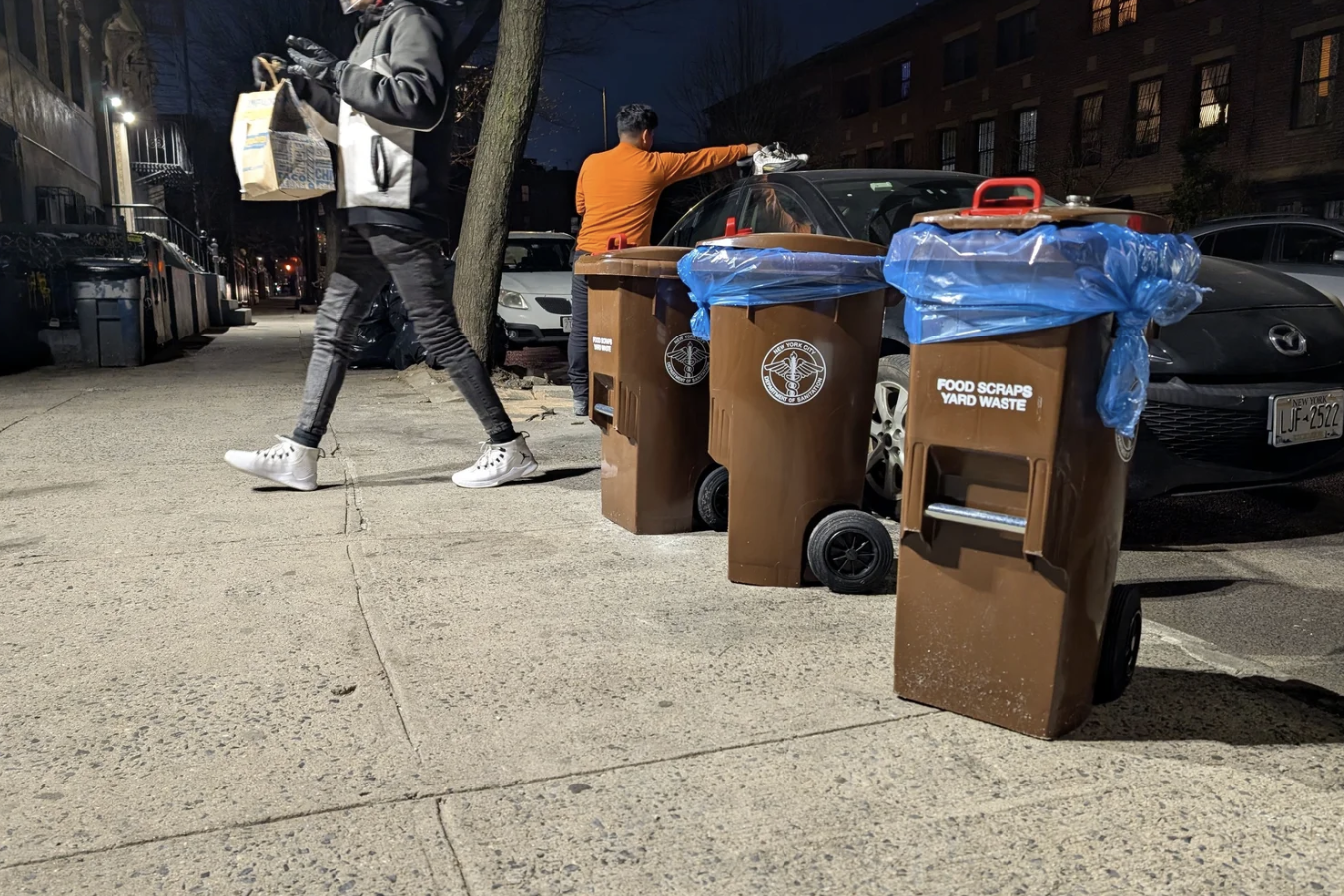
Photo by: Cloudfront
There's no previous post
Back to PublicationsThere's no next post
Back to Publications