


In recent days there’s been one small step forward, and one step back, In the constantly evolving battle to clean up and end the industrial despoiling of northern New Jersey waterways. It was as if the poisonous legacy of pollution past and the toxic specter of pollution future both appeared center stage, almost side by side.
First came a welcome, if long overdue, increment of good news. On September 10th, the U.S. Environmental Protection Agency (EPA) and the U.S. Department of Justice announced a proposed $125 million settlement agreement intended to advance the cleanup of one of the nation’s oldest toxic waste “Superfund” sites: a heavily polluted stretch of the Passaic River.
In the Algonquin tongue of the region’s original inhabitants, “Passaic” means “peaceful valley.” But 20th century industrial pollution made a mockery of that bucolic name in the river’s lower reaches. For decades, industrial corporations treated that portion of the river as a dumping ground for some of the most toxic, carcinogenic pollutants known to humankind.
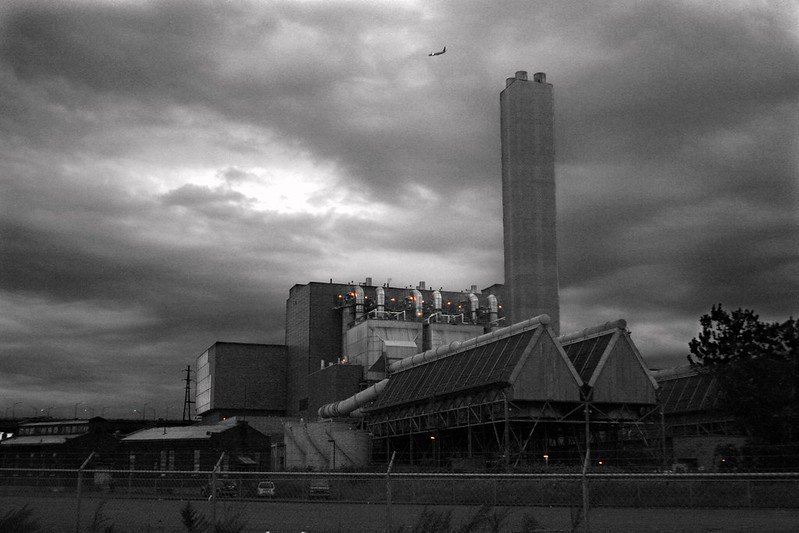
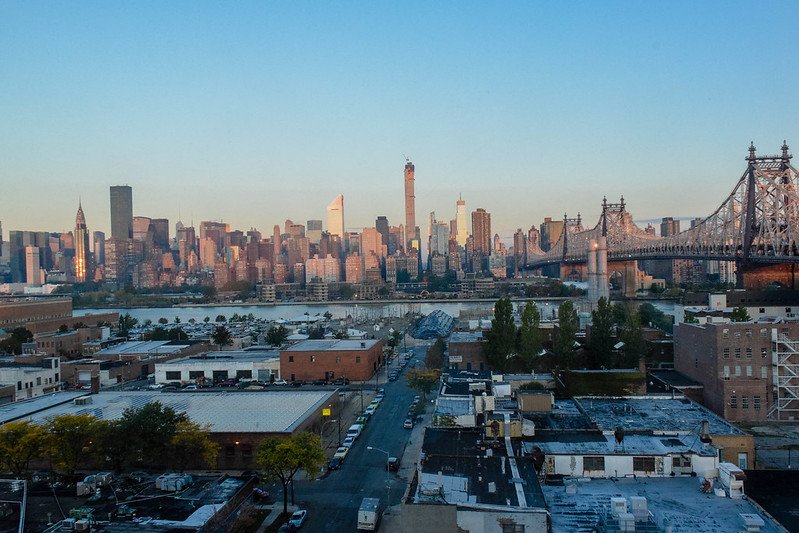
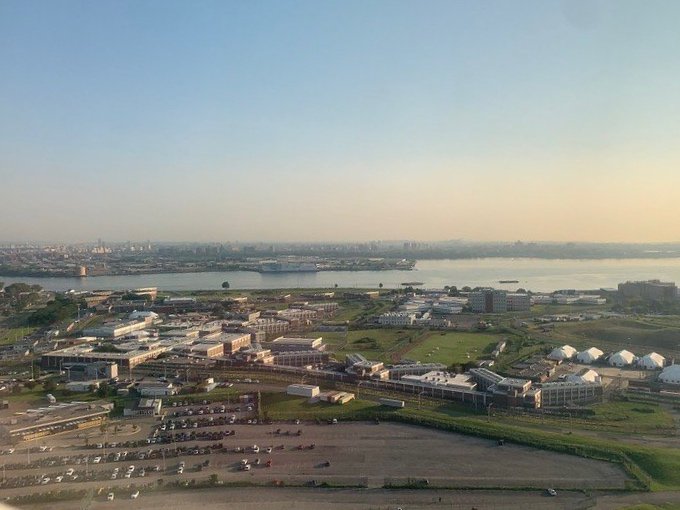
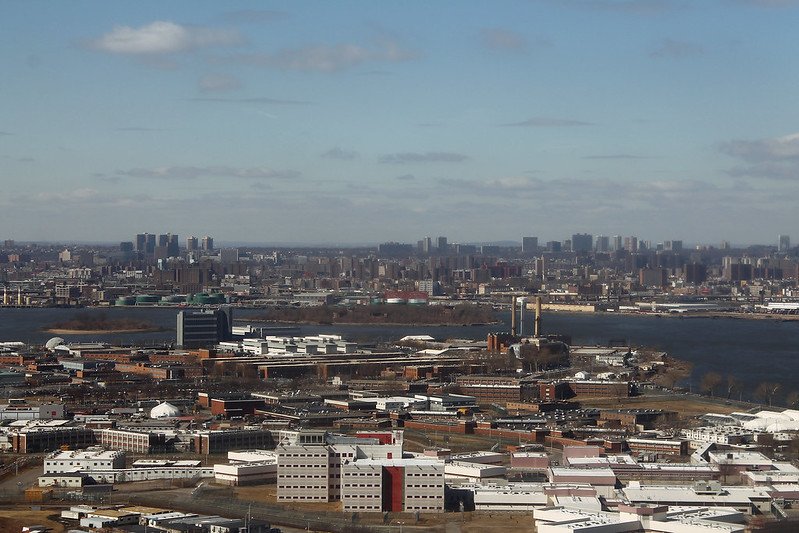
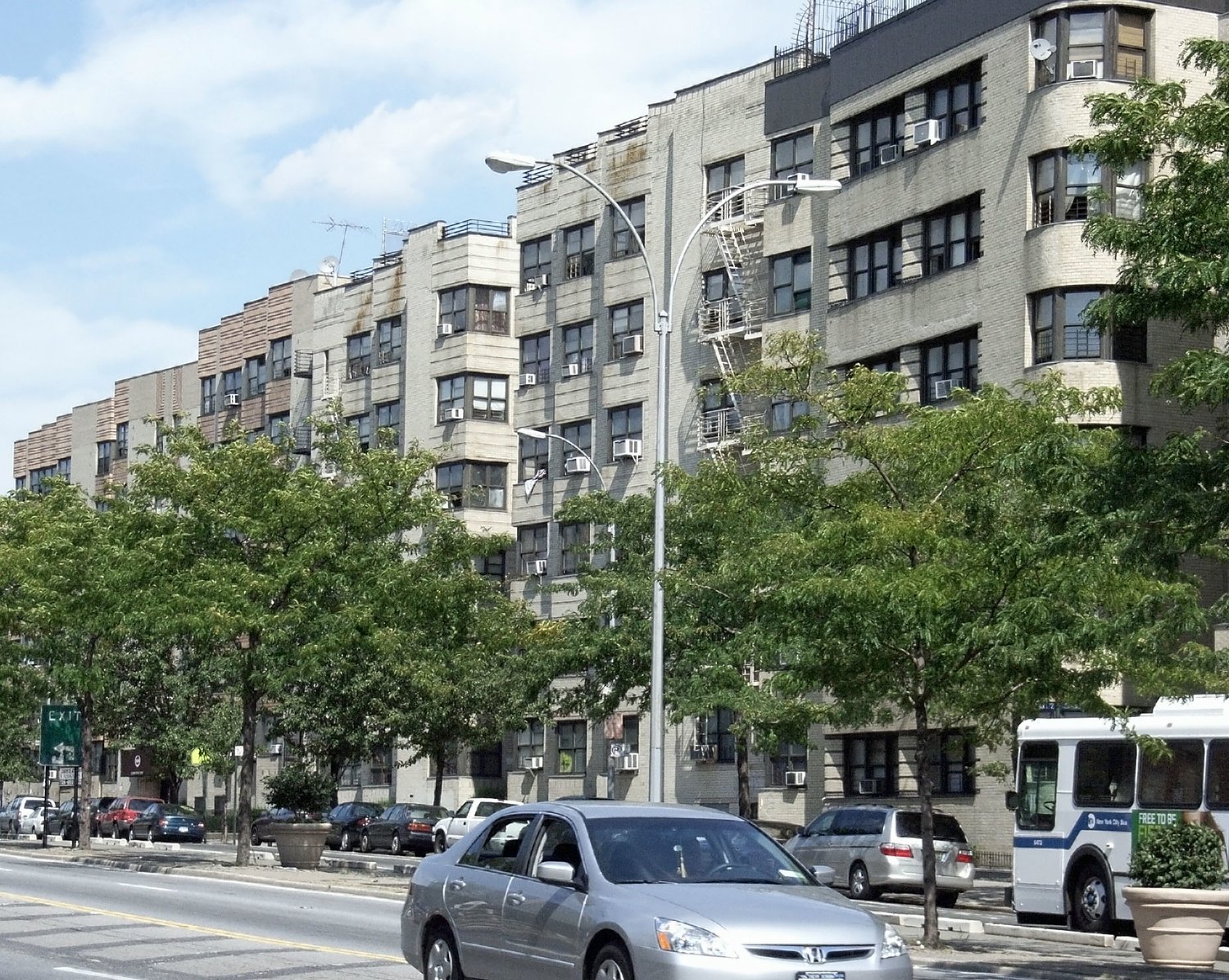
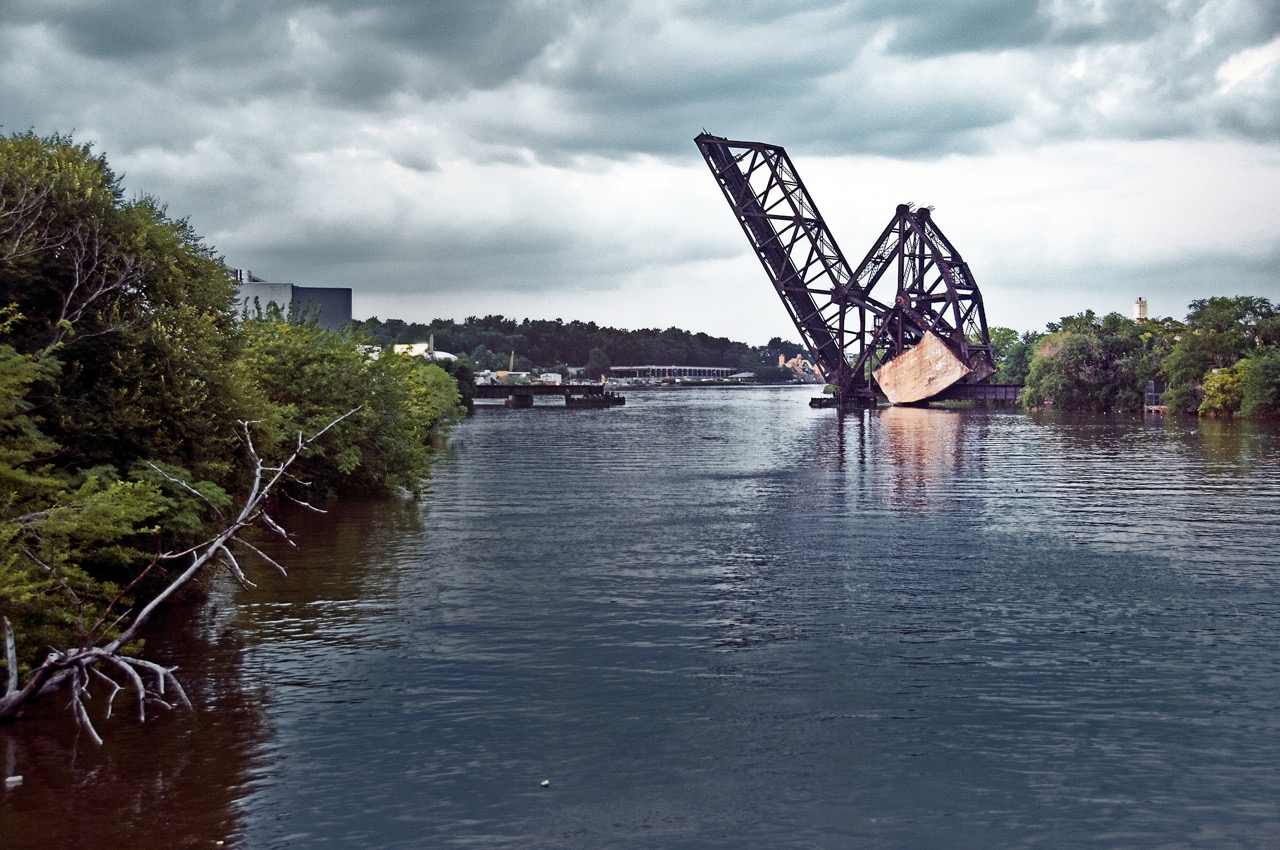
During the height of the Vietnam War, for example, the Diamond Alkali company produced millions of pounds of Agent Orange, a notoriously deadly herbicide used to defoliate forested land believed to harbor guerilla forces in Southeast Asia. Byproducts laden with dioxin chemicals went directly into the Passaic as it flowed its final 17 miles through Newark [as pictured above] and into Newark Bay.
More than 40 years ago, the EPA designated the Passaic a Superfund site – meaning that the industries responsible for its degradation, and that profited handsomely in the process, should be liable for its cleanup and restoration. Nevertheless, decades of corporate foot-dragging designed to shirk the cost of cleanup have followed.
In May 2024, the EPA at last approved the final design for the Passaic’s cleanup. Now, nearly two-and-a-half years later, Environmental Resources Holdings, LLC (at this point, take a deep breath) – a subsidiary of OxyChem which long ago purchased Diamond Alkali and therefore held 99 percent of the liability for the cleanup, and which was also once a division of petrochemical giant Occidental but which last December was sold to behemoth conglomerate holding company Berkshire Hathaway – has apparently agreed to fund initial remediation work.
This phase of what promises to be a multi-year cleanup would set the stage for eventual removal of water from the river and dredging of the riverbed, with contaminated soil being disposed of off-site. (New Yorkers may be reminded of the General Electric Company’s similar remediation of Superfund portions of the Hudson River where GE’s manufacturing facilities had discharged hazardous chemicals into the water.)
The Passaic River Community Advisory Group, of which I am co-chair on behalf of the Ironbound Community Corporation in Newark, deserves credit for informing and engaging residents about this issue – creating public pressure essential to keeping this slow-moving process inching forward.
A new waterway foul-up underscored just how important such constant vigilance is.
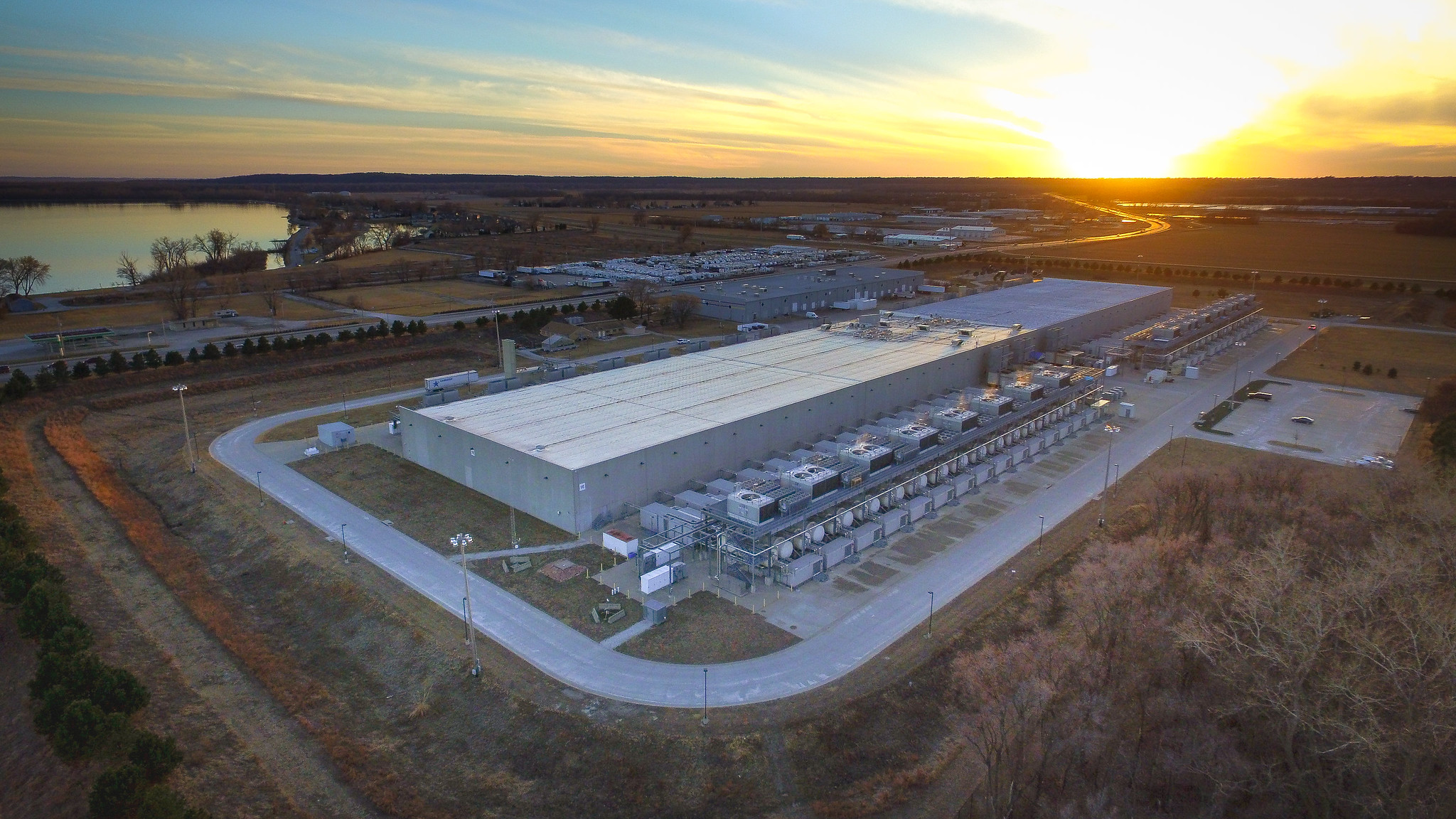
On the day after the proposed Passaic consent decree became public, about 5,000 gallons of diesel fuel were accidentally released into Anderson Creek, a tributary of the Hackensack River, from a storage tank serving a major data center in Secaucus – one of four centers that the Equinix company operates in that city.
State environmental officials working to contain the spill have said they believe none of the fuel entered the Hackensack River itself, and Equinix promised an investigation to determine the cause of the spill and prevent a recurrence.
Secaucus Mayor Michael Gonnelli told a local News 12 reporter that the release apparently resulted from “a computer glitch” at the data center. While it’s seemingly the first such accident there, that explanation is a not necessarily confidence-inspiring assessment of the operation of such a high-tech facility.
And as a New York Times story on the accident noted, many data centers rely heavily on diesel-fueled back-up generators that are troublingly located near bodies of water used to cool the data center equipment. The story reported that one advocacy group, the Better Data Center Project, has estimated that diesel generator capacity at data centers across the nation tripled in 2024.
That growth has coincided with the ongoing AI stampede of an estimated $760 billion worth of new data center construction across the nation. It has generated a mounting popular backlash, arising in large part from well-founded concerns about their environmental impact.
So, here’s the big takeaway concern raised by these two recent developments:
Even as we work to ensure remediation of now-distant decades of industrial damage to New Jersey waterways, more modern but also potentially poisonous hazards continue to line their shores. Can we finally hold past polluters accountable for the damage they did to these precious natural resources while also preventing new threats to our water quality?
Dr. Ana Isabel Baptista is an associate professor in environmental and climate justice, and director of the Tishman Environment and Design Center at The New School, and co-chair of the Passaic River Community Advisory Group.
Photo by: Andrew Aliferis
There's no previous post
Back to PublicationsThere's no next post
Back to Publications