
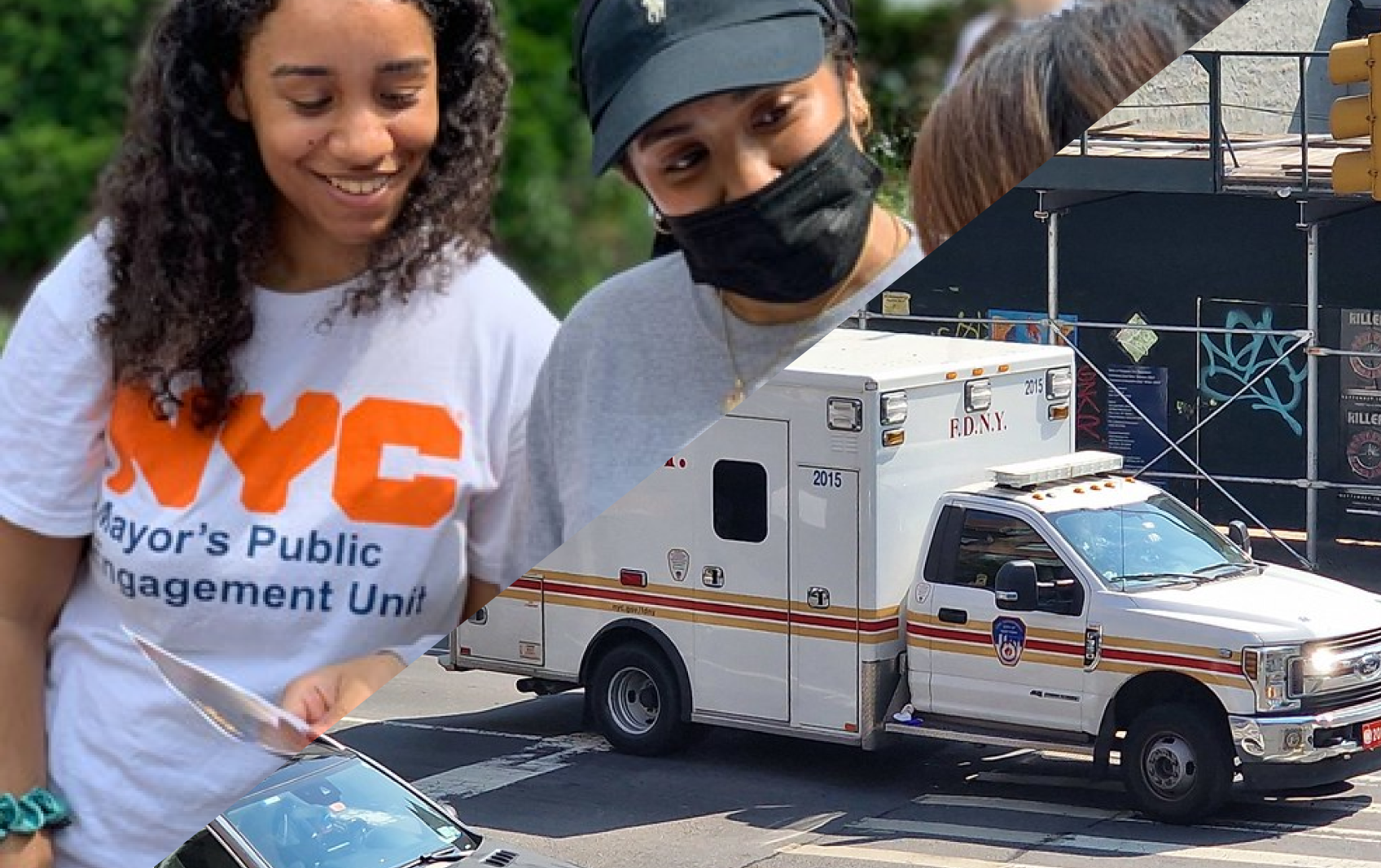


Every time a person emerges from an ambulance to receive care, it’s because we collectively decided that the role of paramedic was a job that needed doing.
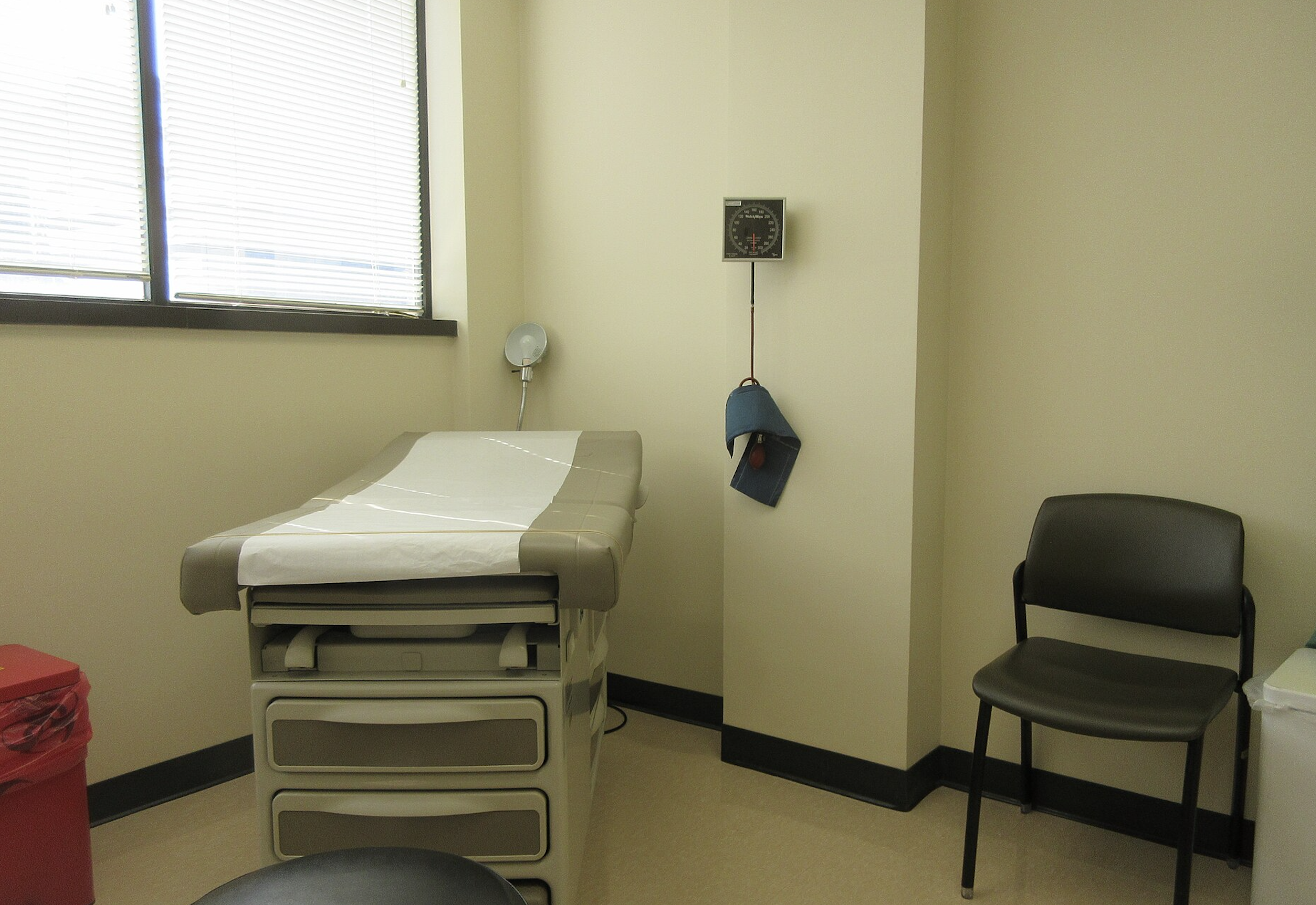
In the 1950s, having a severe medical crisis outside of a hospital predicted likely death. The ambulances of the time were operated by funeral homes, given that hearses were the perfect size to transport gurneys. The morose irony didn’t end there. Given that no medical training was required to operate this emergency care, people regularly died in transit from survivable injuries.
The crisis required a new system, one that our country hadn’t yet imagined.
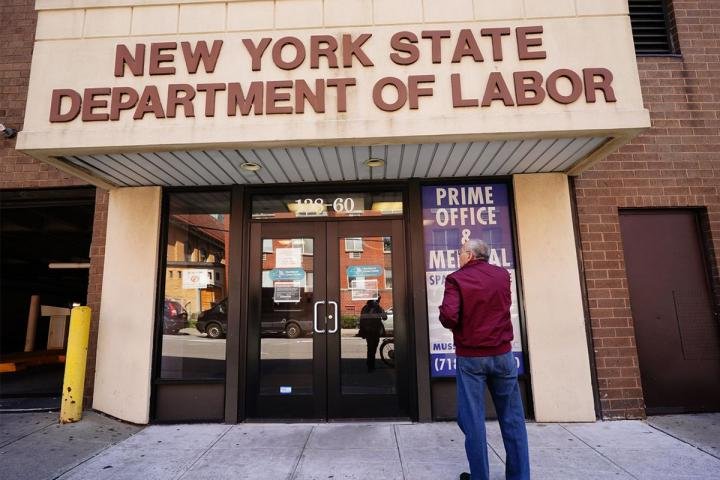
Today, a similar breaking point is forming, as AI threatens jobs and livelihoods. We face a looming crisis that requires a response.
The Brookings Institution projects 6.1 million workers face the highest risk of AI-driven displacement, as private business forecasts reach as high as 10.4 million jobs.
Those impacts won’t be evenly distributed. Given the fields at highest risk, 86 percent of the most vulnerable group are women.
As AI companies design blueprints for our future, they’re not stopping at the design of agentic chatbots, and personal assistant tools to rearrange how we engage digitally. Internally, they’re also investing in plans to shift our economy and democracy.
Of course, none of this is possible without a government that allows it. And AI companies are intent on ensuring that ours does.
Despite rising anxiety over the future of their jobs, shared across 67 percent of Democrats and 62 percent of Republicans, few political leaders can stand up to the ferocious imaginations of these tech oligarchs.
That’s no coincidence. Election spending from AI- and data center-focused super-PACs has already crossed $400 million this midterm cycle, nearing the total spent by all corporations in the 2024 election cycle, according to the corporate accountability nonprofit Public Citizen.
The two leading AI companies, Anthropic and OpenAI, have funneled $52.6 million into 46 races in primary elections, spending to influence the type of Democrat or Republican candidate who will show up on voters’ ballots this November. Given how gerrymandered these seats are, they’ve likely influenced the overall winner, without mentioning AI in the political ads being bought.
AI companies are fully invested in ensuring a governing architecture designed to maximize their power. That task is made much easier given the anemic state of our democracy.
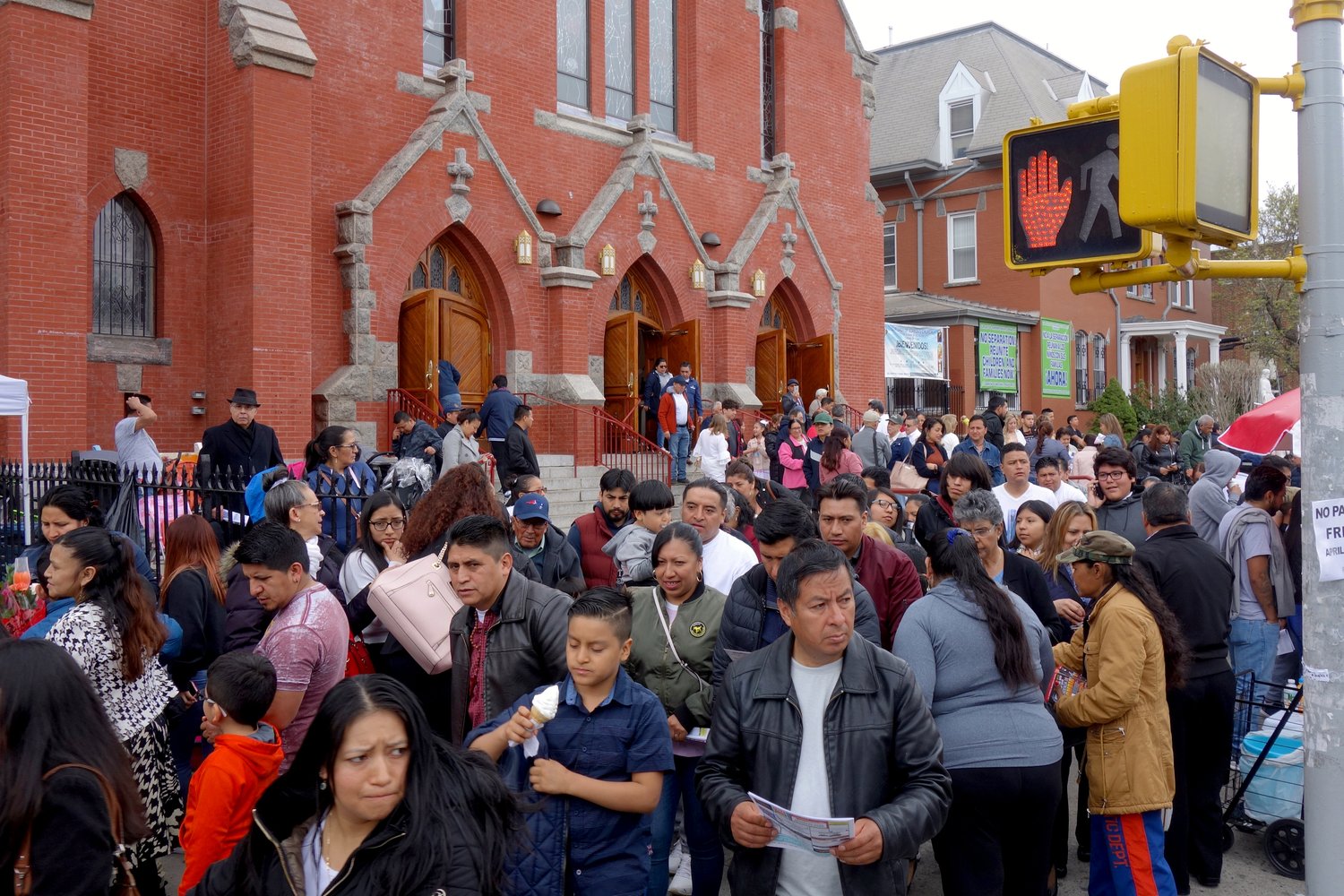
In decades past, debates about changes to our economy took place in union halls and Rotary Clubs, and were activated through networks of precinct and block captains. Today, that local democratic infrastructure has been replaced with a consultant class that advises on candidates’ hairstyles and messages – fueling the atrophy of our democratic muscle.
When only 15 percent of Americans trust AI companies to make decisions about how the technology is developed and used, we need the ability to deliberate and decide what our future will look like – locally, and in relationship with one another.
We’ve spent careers trying to democratize journalism and policymaking and believe Americans should have the ability to decide the future of our economic lives. We recognize that won’t be possible without an investment in our democratic ones. We have to build the democracy we need, to ensure we can live the life we want.
We see Americans craving a future that expands democratic relationships — rooted in mutualism, in care for ourselves, our neighbors, and the planet.
Whether in survey data or everyday life, it’s clear people don’t want AI to replace human connection – they want to invest in it themselves. What better way to do that than to put more humans to work, deepening our connection to each other, and strengthening our democracy?
Even before AI, our democratic infrastructure has been desperately in need of an upgrade. Participation hinges on unevenly distributed access – discretionary time to start block clubs or attend public meetings, discretionary funds to buy subscriptions to verified reporting, or membership in the types of civic networks invited to share ideas with policymakers.
This is the infrastructure of democracy. And just like emergency infrastructure in the 1950s, it requires workers.
We’ve been told AI will automate away whole categories of work. That may be true for tasks that are transactional, repetitive, or purely informational. But the work democracy needs most depends on exactly what makes us most human: connection, trust, accompaniment, and memory.
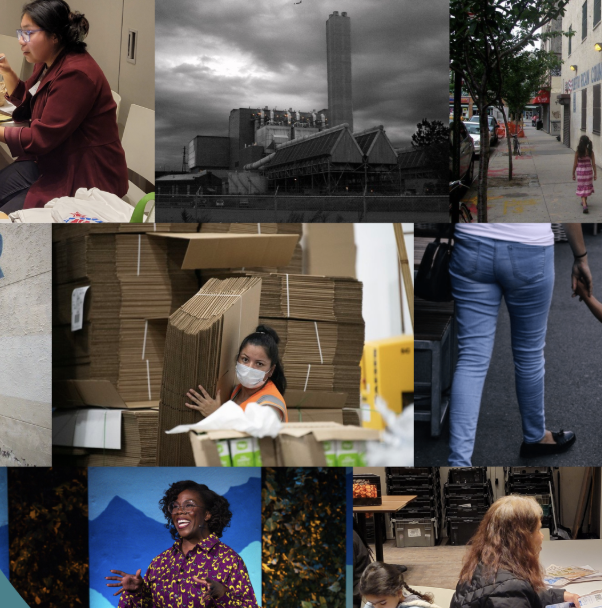
Imagine these as the jobs of the future – designed around a compass aimed to fortify our democracy, strengthening the people-power necessary to bend the future to our will. Many of these roles already exists in pockets around our country:
Despite the need for an emergency medical infrastructure, it took many key moments for the role of the paramedic to emerge.
A 1966 report from the National Academy of Sciences, clinically titled “Accidental Death and Disability: The Neglected Disease of Modern Society,” named the need and was followed by federal legislation. The paramedic emerged as a distinct role, with training programs, equipment standards, and protocols developed over years of trial and research.
But federal policy was only possible because of local innovation. Even as policymakers debated what that role should look like, a group of Black men from Pittsburgh’s Hill District had already started building it. In 1967, trained by Dr. Peter Safar (who also developed modern CPR protocols), they launched Freedom House Ambulance Service. They built the model before the federal government had one of its own — expanding imagination by showing it in practice.
Today, we can see the models for a new democracy taking shape all over the country. Funded in fits and bursts by philanthropy, models that exist demonstrate what’s possible.
In the next presidential administration, a real commitment to protecting democracy will take investing in federal civic revival, shoring up the local democracies that build the ability of all people – in all walks of life – to build their civic muscles. Without it, we’re defenseless against a future pre-designed for us.
Darryl Holliday is a journalist turned civic strategist who co-founded City Bureau and launched its Documenters program. Niketa Brar was the founding executive director of Chicago United for Equity. She now chairs the City of Chicago’s Equity Advisory Council and leads national collaborative governance efforts through For the Many Strategies. This article was originally published in slightly longer form on Oct. 19th by Next City, a nonprofit newsroom reporting on solutions for equitable and just cities, and appears here with their permission.
Photos by: Mayor's Public Engagement Unit, John S
There's no previous post
Back to PublicationsThere's no next post
Back to Publications