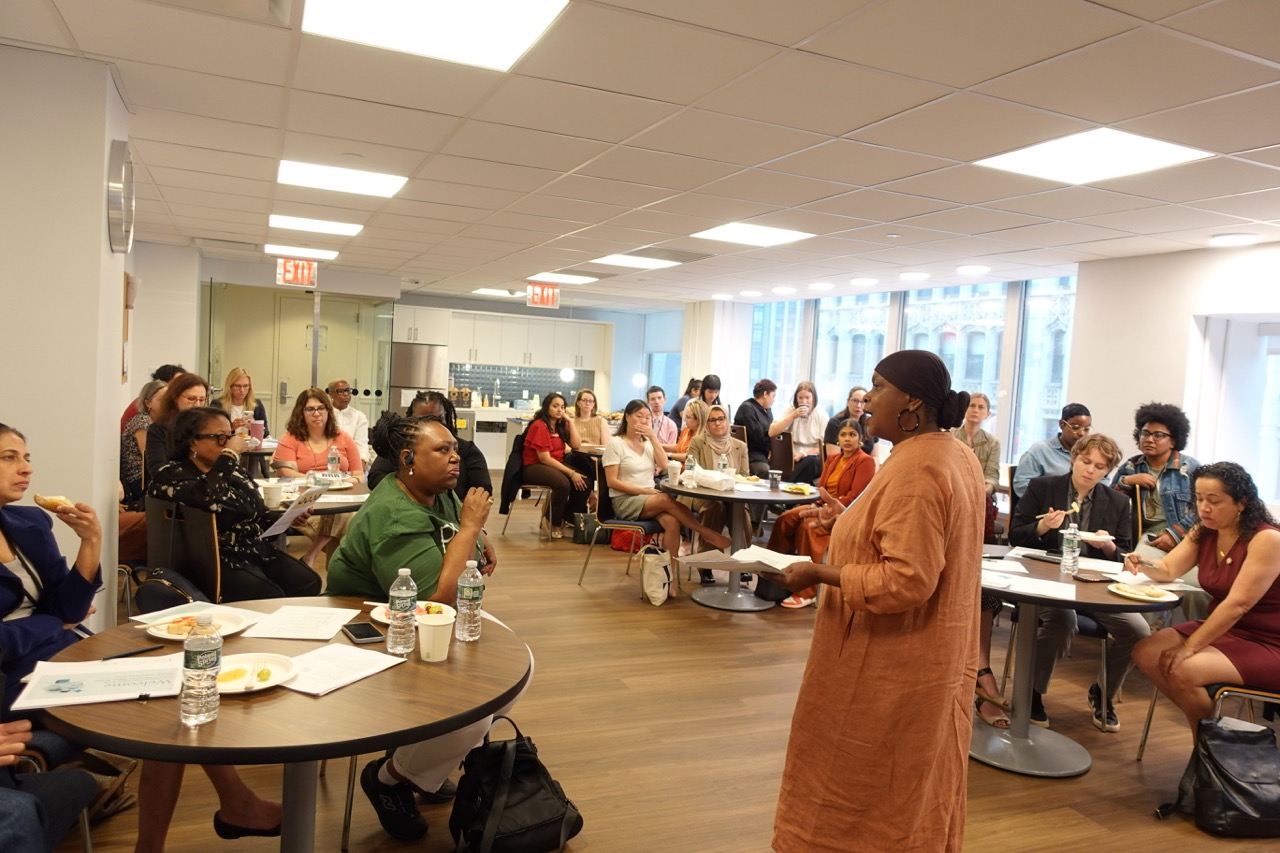




"I worked 24-hour shifts for 12 years," Zen Li told the New York City Council in February. Four days a week, she remained on duty around the clock, caring for frail clients while being paid for only 13 hours under New York's "live-in" home care rule. It is based on the frequently disputed rationale that workers receive five uninterrupted hours of sleep (and eight hours of sleep total) and three one-hour meal breaks while remaining in the client's home.
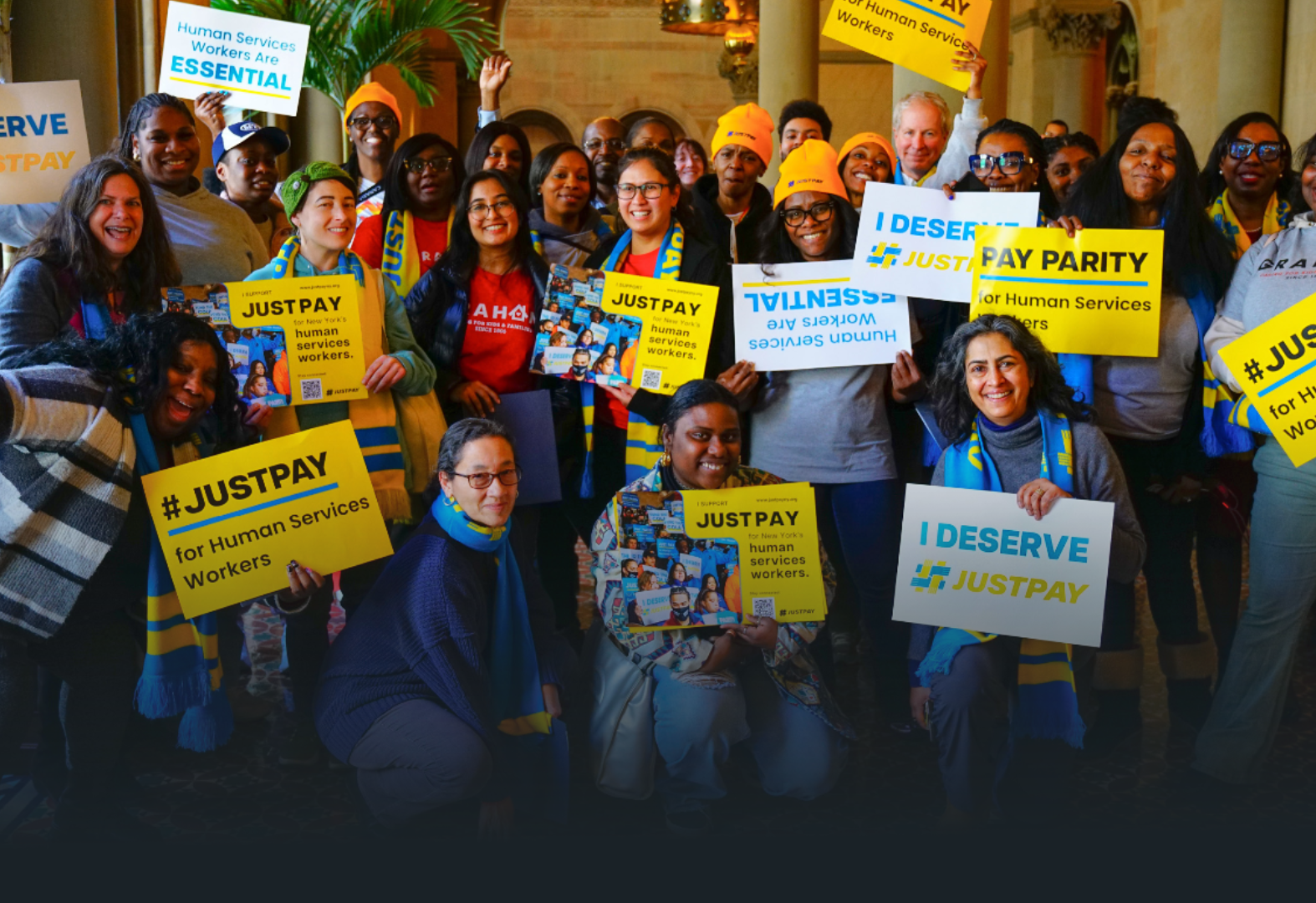
Under the banner of “No More 24,” home care workers have challenged the practice in court, staged hunger strikes, and pressed for City and State legislation requiring pay for every hour worked. Their campaign drew encouragement from an April 22 letter from the UN’s Working Group on Discrimination Against Women and Girls urging the US to stop “a practice of exploitation disproportionately affecting migrant women.”
Nevertheless, a proposed local law (styled Intro 303) banning shifts longer than 12 hours has stalled in the Council amid tough questions. Is this a City or State responsibility? Who will provide the additional hours of care for the 12,500 out of 250,000 home care Ccty clients who cannot safely be left alone? And who will pay for all the hours of their care?
Answering those questions requires understanding how New York's home care system evolved and recognizing that today's model is not the only way to care for people with Alzheimer's disease, ALS, advanced multiple sclerosis, and other disabling conditions.
The system grew from two traditions: local poor relief and federal social insurance.
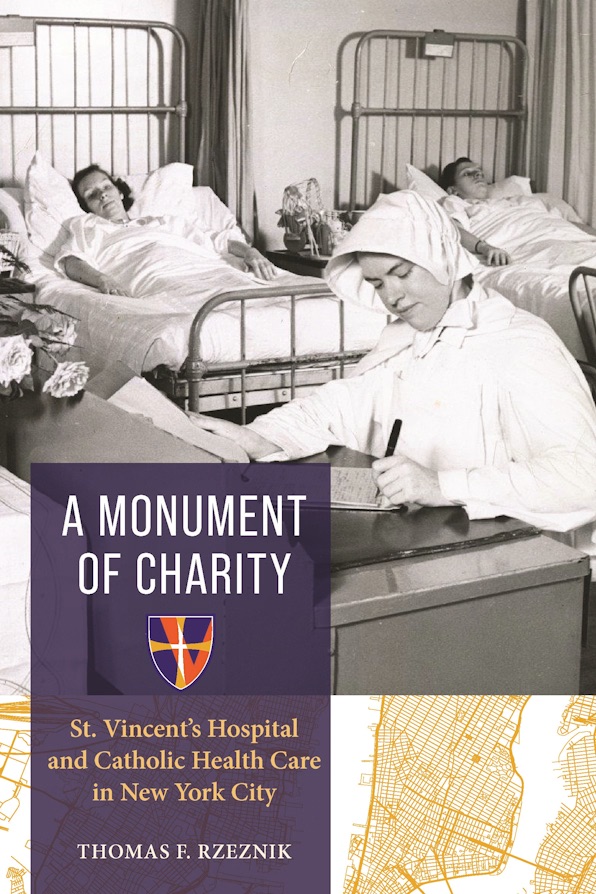
During the 19th century, the city aided frail older adults either through almshouses or ‘outdoor relief, in the form of food, fuel, and other assistance delivered to their homes. An 1857 State Senate report argued that "worthy indigent persons" should, whenever possible, be spared "the degradation of the poor house."
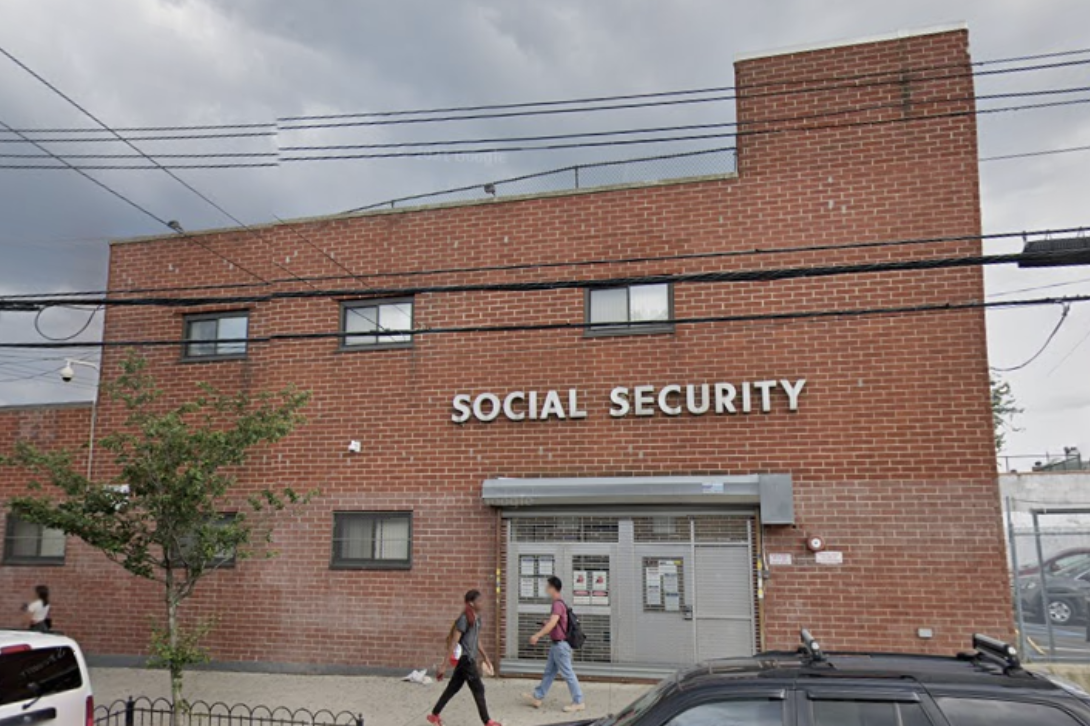
Federal policy transformed that charitable, welfare model into a public health care program. The Social Security Act of 1935 created Old Age Assistance for poor seniors living outside institutions. Amendments in 1950 authorized direct payment for medical services; the Kerr-Mills Act of 1960 expanded assistance, and Medicaid's creation in 1965 permanently linked federal and state financing to long-term care.
The 1970s reshaped the program twice.
First came New York City's calamitous fiscal crisis. Under intense financial pressure, the City dismantled its direct service workforce and contracted with nonprofit and private agencies, creating the system that still exists.
Hot on its heels came statewide nursing home scandals. Investigative journalism, legislative hearings, and an official State report put the spotlight on widespread fraud, neglect, profiteering, and lax regulatory oversight concerning the Medicaid program paying for nursing home care.
The scandal fundamentally changed State policy. Nursing homes became the last resort, while home care emerged as the preferred alternative because it was both more humane and thought to be less expensive. During the 1980s, the State expanded Medicaid home care and created the "nursing home without walls" program. Federal policy and law later reinforced that direction.
The result is the largest Medicaid home care program in the country, and an enduring commitment to helping people remain at home whenever possible.
Another result is a safety net reliant, in thousands of cases, on chronic sleep deprivation and unpaid labor. This is neither fair to workers nor ideal for clients.
Replacing every 24-hour “live in” with two paid 12-hour shifts would cost $1 billion annually. That’s less than one percent of New York State’s Medicaid spending and arguably a reasonable price to end an indefensible labor practice.
It’s also not the only solution.
Rather than assuming every client needs one worker present continuously for 24 hours, policymakers should ask what services people require.
Many 24-hour clients live with family members. Their needs vary considerably. An estimated 70 percent have significant cognitive impairment requiring supervision, while others primarily need help because of severe physical disability or complex medical conditions. Only a small minority are permanently bedbound or unable to leave home.
That diversity allows for alternatives to the current one-worker, one-client model. The wide range of client needs suggests there is no single solution to non-institutional long-term care. New York should pursue a flexible mix of alternatives, including overnight support, adult day programs, family caregiver compensation, shared housing, technology-assisted care, and ideas from clients, families, and workers, to better match services to individual needs.
Change also needs to begin with the State, which controls both money and policy. The reality is that Mayor Zohran Mamdani and the City Council have limited power in this regard.
Nevertheless, they can set the modernization process in motion by advocating for State legislation that phases out mandatory 24-hour shifts, requires payment for every hour worked, and establishes a reasonable cap on mandatory weekly hours. At the same time, the City should invest in practical alternatives, including community-based group homes, reformed adult day programs, technology-supported monitoring, and neighborhood home care teams serving clusters of nearby clients.
New York should end the mandatory 24-hour shift not only because it is unfair to workers, but because a modern home care system should be organized around clients' needs rather than a labor model inherited from another era. Home care has repeatedly adapted to changing economic and political realities over the past century. It can do so again.
Kathryn Haslanger was formerly deputy commissioner for senior care and community services at New York’s City Human Resources Administration. She also worked for many years in senior positions in the nonprofit sector.
Barbara Caress teaches public administration and health policy at Baruch College. She has had a long career as a health care policy advocate and analyst. She worked with Local 1199 of the Service Employees International Union to negotiate the first major collective bargaining contract for New York City home care workers.
There's no previous post
Back to PublicationsThere's no next post
Back to Publications