


Scripture teaches that no person can successfully serve two masters. Similarly, common sense tells us that no organization can perform two inherently contradictory missions.
Yet that is precisely what is now expected of the New York City Administration for Children's Services (ACS).
As the City’s legally designated child protective services (CPS) agency, ACS is charged with shielding children from abuse and neglect, and is given sweeping authority to intervene in, and disrupt, the most fundamental human relationship - that of child and parent. Although this broad authority is constitutionally and statutorily constrained, ACS frequently acts in violation of the law, subjecting families to intrusive and humiliating warrantless home searches, often sparked by unsubstantiated, and even malicious, “child abuse hotline” reports. The majority of allegations are already known to be related to poverty rather than abuse, and overwhelmingly no evidence rising to the level to support government intervention is ever found.
Far from promoting safety, these investigations often perversely lead to lasting and well-documented harm to both children and parents, including physical and mental illness and heightened risk for substance abuse. Resulting forced family separations all too often have also jeopardized children’s safety.
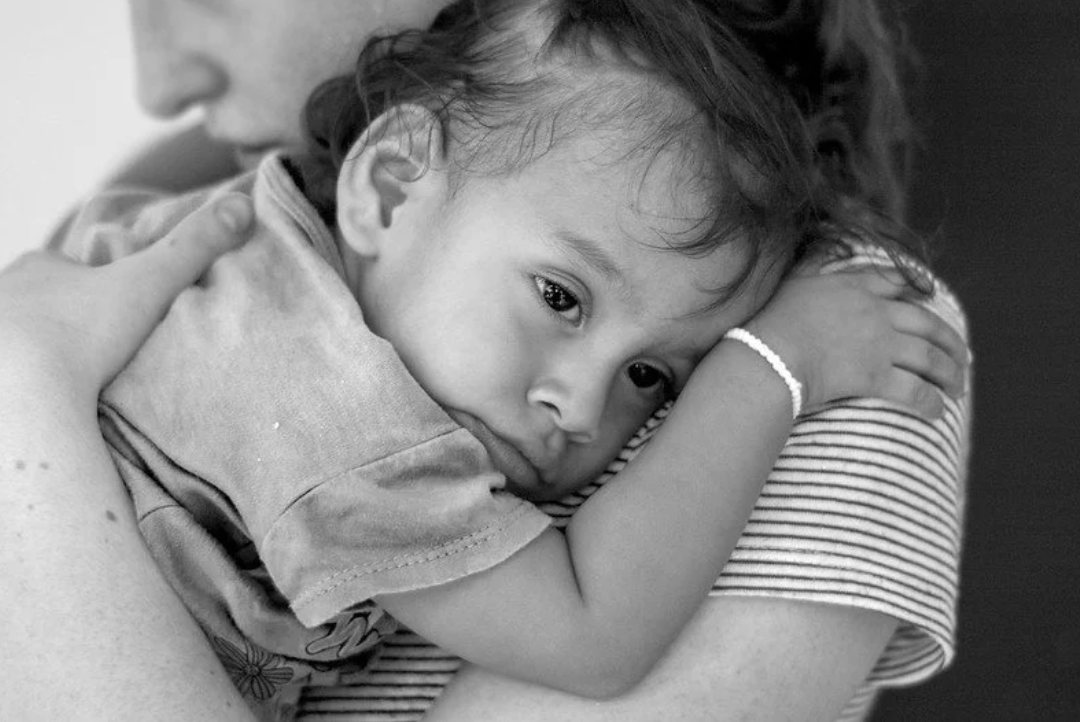
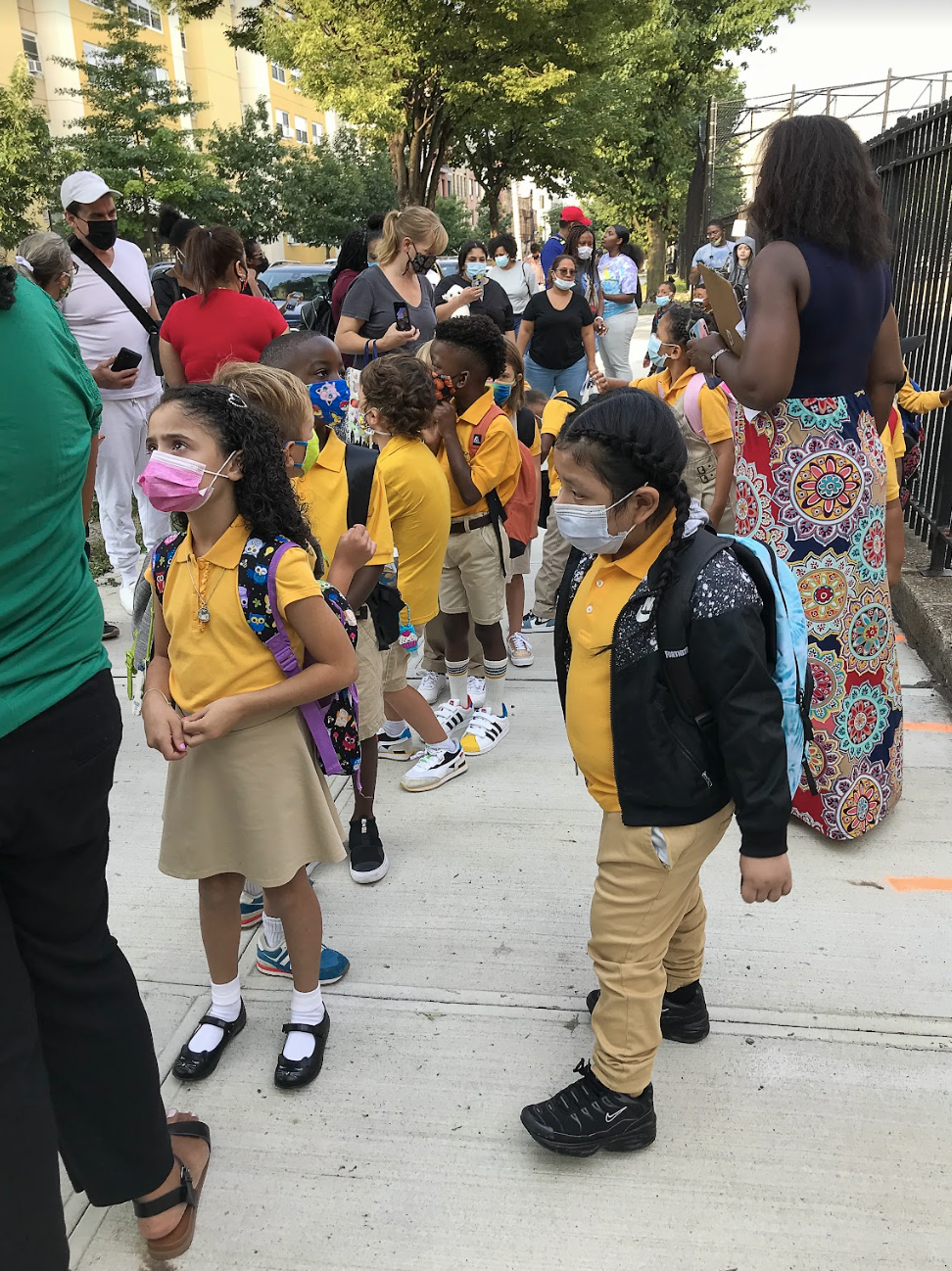
And shocking racial disparities permeate the system. Nearly 45 percent of Black and Latino New York City children experience an ACS investigation by the age of 18, compared to 19 percent of white children.
Small wonder that ACS is widely feared and distrusted by New York City’s Black and Latino communities, which are targeted by its family policing powers. Yet the very same families also are expected to gratefully, trustingly, and voluntarily turn to ACS for guidance, support, and for needed social service referrals.
This is self-evidently a prescription for suspicion, hostility, and, ultimately, failure.
Mayor Zohran Mamdani's creation in March of the Office of Community Safety – based on the idea that early interventions can increase safety before policing becomes the only available strategy – now offers an opportunity not only to end this absurd and self-defeating situation, but to move beyond reliance on family policing and create a true family wellbeing, community care infrastructure.
Led by Narrowing the Front Door to NYC’s Child Welfare System – an organization we co-chair – over the past two years advocates and city leaders have built a vision for strengthening family well-being and promoting safety and stability for children in their families and in their communities – all independent of ACS, CPS, and the juvenile legal systems.
The result is a detailed proposal for an Office of Family Well-Being (OFWB) as an essential, foundational component of the City’s new community safety strategy. This proposal uses a family-focused, public health lens to create a cross-agency, centralized approach to child and family well-being as an indispensable locus of community safety. Strategic attention to the conditions impacting parenting and caregiving is necessary if we are to truly make child safety a reality.
ACS intervention into families – including its responsibility for CPS investigations, foster care, its Family Assessment Program, and oversight of juvenile detention facilities – is most likely when families experience economic setbacks or are in need of basic social services and community-based youth programming. Our city has non-punitive, supportive community-based programs and resources to support family life. However, they are unevenly and inequitably distributed and difficult to navigate.
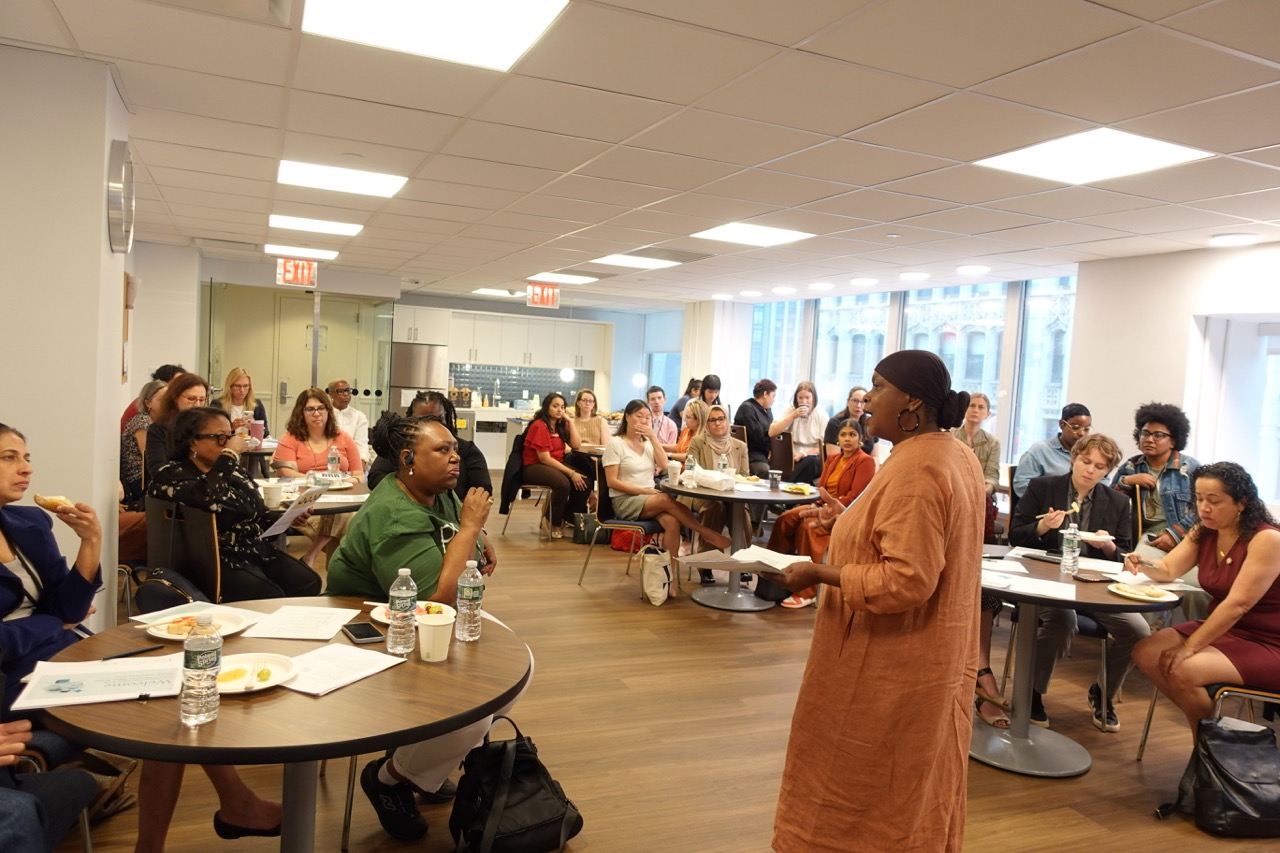
As a result, people often call a hotline number or the police in response to the consequences of unmet family needs because we’ve made it the expected and easy thing to do. When resources and support are hard to access, family challenges can build into crises. Parents and concerned community members need easy access to cross-agency, peer-centered, and empathetic navigation support. Word of mouth is how parents say they learn about resources–through people and organizations they trust. A neighborhood-based strategy that invests in grassroots organizations and a sustainable social fabric can ensure that families find the help they need, when they need it.
Surveillance or reactive, punitive responses to crises born of unmet social needs are unjust, inhumane, and self-defeating. A far better approach: widely available and easily accessible resources, relationships, skills, and tools that support healthy, well-resourced, and connected families.
Acting as a champion, connector, and capacity-builder, the OFWB would support community groups and collaborate with city leadership to enhance families' access to essential and beneficial child-rearing services and resources. It would concentrate on neighborhoods afflicted by the decades of disinvestment in public resources that increase the likelihood of unnecessary and harmful CPS and juvenile legal system contact.
The office we propose would also provide technical assistance to assess program and community impacts. The goal: building up high-quality, sustainable programs at scale. We envision situating existing ACS initiatives, including the Community Partnerships and Family Enrichment Centers, as well as similar family support programs now in other agencies, under its umbrella. That would enhance their coordination, alignment, and expansion. Community planning and grantmaking can also begin in the highest-impacted neighborhoods in close collaboration with trusted community organizations whose expertise in crisis intervention should be appreciated and enhanced.
The Mamdani administration’s community safety plan seeks to align City policies and collective assets, like environmental design, streetlights, and greenspace, and to lead cross-agency efforts to strengthen safety. A dedicated focus on families will significantly enhance that.
An Office of Family Well-Being would also build on years of successful efforts to protect family integrity and autonomy and child well-being. Through concerted efforts across the legal and social services sectors, New York City has achieved hard-fought and significant reductions in the number of children separated from their families by foster care and juvenile detention.
This Family Well-Being vision builds on that legacy by taking the essential, logical, and long overdue step of disentangling family support from the family policing apparatus, supporting existing community-based approaches, and building out a sustainable family-focused, public health-informed community care infrastructure.
Angela Burton is an attorney, legal scholar, and member of numerous local, state, and national child and family wellbeing advocacy groups. Joyce McMillan is founder and executive director of Just Making a Change for Families (JMAC for Families). Kristin Morse is the executive director of the Center for New York City Affairs at The New School. They are co-chairs of Narrowing the Front Door to NYC’s Child Welfare System.
Photo by: Courtnie McMillan
There's no previous post
Back to PublicationsThere's no next post
Back to Publications